


Quick Answer: Apical periodontitis is inflammation around the tip of a tooth’s root, usually caused by infection from untreated decay, trauma, or a damaged dental pulp. It often causes persistent tooth pain, tenderness when biting, swelling, and sometimes temperature sensitivity when the dental pulp is also inflamed. It typically requires professional dental treatment to stop the infection and protect the tooth.
Apical periodontitis is more than a routine toothache. The condition can damage tissues and bone around the root and, without treatment, may eventually compromise the tooth.
This common but serious dental condition is more than just a toothache. From hidden infections to potential tooth loss, apical periodontitis can affect the tissues and bone surrounding the tooth. Treatment aims to remove or control the cause of inflammation, relieve symptoms, and preserve the tooth when possible.
Key Takeaways
- Early evaluation can help limit tissue damage, reduce complications, and protect the natural tooth.
- Apical periodontitis affects the tissues surrounding the end of a tooth root.
- Pain with chewing, swelling, gum drainage, and tenderness are common warning signs.
- Dentists use clinical tests and imaging to determine the cause and severity of the condition.
- Treatment depends on whether the tooth can be preserved and may involve root canal therapy, surgery, or extraction.
- Key Takeaways
- What Is Apical Periodontitis?
- Symptoms of Apical Periodontitis
- Types of Apical Periodontitis
- Apical Periodontitis Diagnosis
- How Apical Periodontitis Differs From Similar Conditions
- Apical Periodontitis Diagnosis
- Treatment Options for Apical Periodontitis
- Potential Complications if Left Untreated
- When to Seek Emergency Care
- Consult With Expert Dental Professionals
- Frequently Asked Questions about Apical Periodontitis
What Is Apical Periodontitis?
Apical periodontitis, also known as periapical periodontitis, is inflammation that occurs around the apex, or tip, of a tooth root. It usually develops after the dental pulp becomes inflamed or necrotic, often because of untreated dental decay, a crack, or trauma. When bacteria and other irritants spread through the root canal system, they can affect the tissues surrounding the tooth root.
This condition is commonly associated with endodontic care. The body’s immune response may cause discomfort, tenderness when biting, swelling, or abscess formation, making early diagnosis and treatment important.
Symptoms of Apical Periodontitis
Recognizing the symptoms of apical periodontitis can help you seek timely treatment and prevent the condition from worsening. Symptoms can vary, but common signs include pain when biting, swelling, temperature sensitivity, and drainage from the gum.
Tooth Pain When Biting or Chewing
Tooth pain is often the first and most noticeable sign of symptomatic apical periodontitis. This discomfort may begin as a dull ache but can escalate into sharp or throbbing pain, especially when biting down or applying pressure to the affected tooth. The pain is typically localized and persistent, indicating inflammation in the tissues surrounding the tooth root. Tenderness when biting, chewing, or tapping the tooth is one of the condition’s most characteristic symptoms and often prompts patients to seek professional dental care.
Swelling and Inflammation
Swelling around the affected tooth may occur when apical periodontitis progresses or an abscess develops. This response is primarily caused by periapical inflammation as the body attempts to fight the infection. The inflamed tissues can exert pressure on surrounding structures, including the periodontal ligament, leading to visible puffiness in the gums or face. In more advanced cases, the condition may cause noticeable redness, tenderness, and difficulty chewing. If left untreated, the swelling can worsen or spread to nearby tissues, requiring urgent dental attention.

Temperature Sensitivity
Sensitivity to hot or cold foods and beverages may occur when inflammation or damage is also present within the dental pulp. Patients may experience sharp or lingering discomfort after exposure to temperature changes. However, temperature sensitivity is more commonly associated with an inflamed or damaged pulp than with apical periodontitis alone.
If the pulp has become completely necrotic, the tooth may have little or no response to temperature testing. Dentists therefore evaluate sensitivity alongside other signs, such as pain when biting, tenderness to tapping, and dental imaging.
Pus or Gum Drainage
Pus draining from the gum may indicate that the infection has progressed and formed an abscess in the tissues surrounding the tooth root. As pressure builds, the pus may drain through the gum, creating a small pimple-like bump known as a sinus tract. The discharge may temporarily reduce pressure and discomfort, but it does not mean the infection has resolved.
Pus drainage signals an active infection that requires prompt dental treatment.
Types of Apical Periodontitis
Apical periodontitis can appear in different forms, each with its own symptoms and clinical features. Identifying the type helps determine the appropriate treatment and understand how the condition may progress.
Acute Apical Periodontitis
Acute apical periodontitis is a sudden and painful form of the condition, often associated with trauma, extensive dental decay, or inflammation and infection within the pulp. Patients typically experience localized tooth pain that worsens with pressure or chewing. The surrounding tissues may feel swollen or tender, and the affected tooth may feel slightly elevated in its socket.
This form is characterized by a rapid inflammatory response and may or may not produce visible changes on dental X-rays. Prompt treatment is important to relieve symptoms and prevent the condition from progressing.
Chronic Apical Periodontitis
Chronic apical periodontitis is a long-term form of the condition that can go unnoticed for extended periods. Unlike the acute form, it often causes little or no pain, making it harder to detect without a dental examination.
Ongoing inflammation at the root apex can gradually damage the surrounding bone and tissues. Over time, a periapical lesion, such as a granuloma or cyst, may develop. The condition can also become painful if it suddenly flares up. Even when symptoms are mild or absent, the underlying cause should be treated to prevent future complications.
Periapical Granuloma
A periapical granuloma is an area of chronically inflamed tissue that develops around the tip of a tooth root, usually in response to infection within a non-vital tooth. It often causes little or no pain and may be discovered during a routine dental X-ray.
Despite its name, a periapical granuloma is not a tumor. It is a persistent inflammatory lesion that generally requires root canal treatment or another appropriate dental procedure to remove the source of the infection and allow the surrounding tissues to heal.
Apical Periodontitis Diagnosis
Accurate diagnosis is a critical step in managing apical periodontitis effectively. Because the symptoms can resemble other dental issues, pinpointing the exact cause requires a combination of clinical expertise and diagnostic tools. Dentists must assess both the physical presentation and underlying pathology to rule out other conditions and confirm the presence of periapical infection.
In the following sections, we’ll explore the main diagnostic methods used to identify apical periodontitis, including hands-on clinical evaluations and essential imaging techniques that help visualize the extent of the issue.
How Apical Periodontitis Differs From Similar Conditions
Apical and periodontal conditions can produce similar symptoms; a diagnosis requires clinical testing and imaging.
| Condition | Common symptoms | Key difference |
|---|---|---|
| Apical periodontitis | Pain when biting, tenderness to percussion, possible swelling | Inflammation around the root tip, usually from pulpal infection or necrosis. |
| Irreversible pulpitis | Spontaneous pain, lingering hot/cold sensitivity | Primary inflammation of the pulp; pain often lingers after the stimulus is removed. |
| Periodontal abscess | Localized gum swelling, pain, drainage | Infection starts in periodontal tissues, not inside the pulp chamber or at the root apex. |
| Cracked tooth | Sharp pain when biting or releasing pressure | Pain is due to fracture; infection may be absent initially. |
| Maxillary sinusitis | Pressure over upper molars, facial fullness | Referred pain from the sinus, often with nasal/sinus symptoms. |

Need a Dentist?
ENHANCE YOUR ORAL HEALTH, CONTACT OUR MIAMI OFFICE TODAY!!
Apical Periodontitis Diagnosis
Because its symptoms can resemble other dental problems, apical periodontitis is diagnosed using the patient’s history, a clinical examination, pulp testing, and dental imaging.
Clinical Evaluations and Differential Diagnosis
The dentist checks for tenderness, swelling, drainage, and tooth mobility. Percussion, palpation, and pulp tests may also be used to assess the tooth and surrounding tissues. These findings help distinguish apical periodontitis from conditions such as periodontal disease, a periodontal abscess, sinus-related pain, or a cracked tooth.
Radiographic Signs and Periapical Lesions
Dental X-rays may reveal a dark area around the root tip caused by changes in the surrounding bone. According to ScienceDirect Topics, early periapical inflammation may not yet produce visible changes on an X-ray. In these cases, the patient’s symptoms and clinical test results are especially important to the diagnosis.
A cone beam CT scan may be used when standard imaging does not provide enough detail. Imaging results are considered together with the clinical examination to confirm the diagnosis and plan treatment.
Treatment Options for Apical Periodontitis
Selecting the appropriate treatment is key to resolving the infection and preserving oral function. The goal is to eliminate the source of the problem, whether it’s infected tissue or persistent bacteria, while also protecting the surrounding structures and preventing future complications. Treatment choices vary based on the severity of the condition, the patient’s overall health, and whether the tooth can be saved.
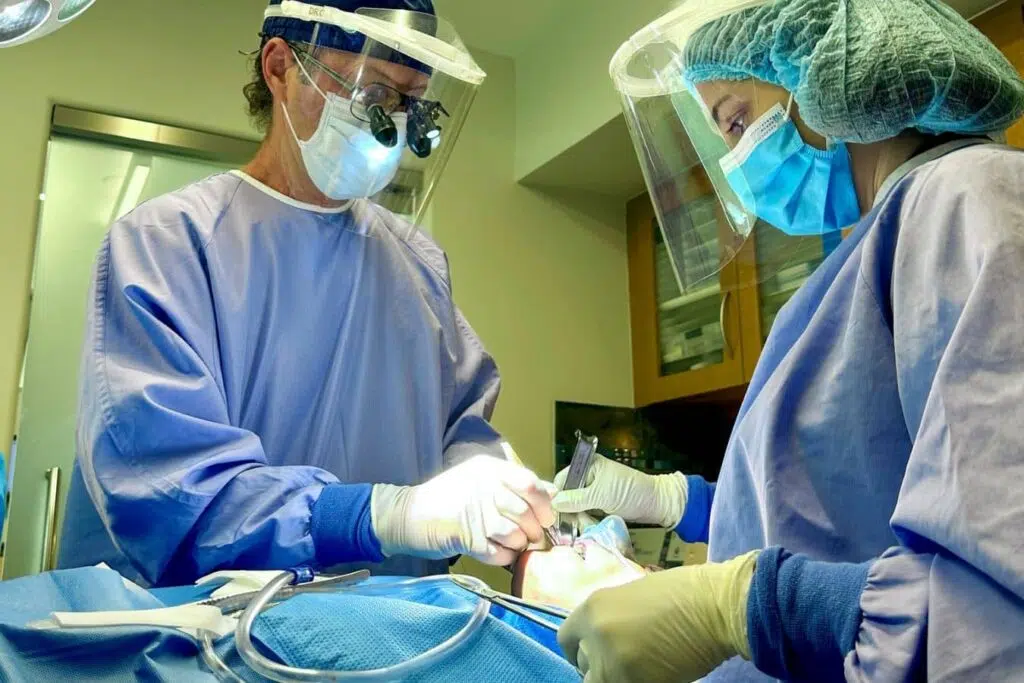
Root Canal Therapy (RCT)
Root canal therapy is the most common treatment when the tooth can still be saved. During the procedure, inflamed or infected pulp is removed, and the root canal system is cleaned, disinfected, filled, and sealed.
Removing the source of infection allows the surrounding bone and tissues to heal while preserving the natural tooth. According to an article in StatPearls, apical lesions may take six months to two years to heal completely, making follow-up examinations and X-rays important for monitoring recovery.
Apicoectomy (Endodontic Surgery)
An apicoectomy may be recommended when inflammation or infection persists around the root tip after root canal treatment. During this surgical procedure, the root tip and affected tissue are removed, and the end of the canal is sealed.
This procedure is commonly performed by an endodontist. In selected cases, a periodontist or another appropriately trained dental specialist may perform or participate in the procedure, depending on the tooth, surrounding tissues, and treatment needs.
Antibiotics and Pain Management
Antibiotics are not routinely needed for uncomplicated apical periodontitis and do not remove the source of the infection. Definitive dental treatment, such as root canal therapy or drainage, is usually the priority.
Antibiotics may be prescribed when the infection is spreading or causing systemic symptoms such as fever or malaise. Pain-relieving medications may also be recommended to control discomfort before and after treatment.
Tooth Extraction
Tooth extraction may be necessary when the tooth is too damaged to be restored, has extensive bone loss, or has not responded to previous treatment. Removing the tooth eliminates the source of the infection but may create the need for a dental implant, bridge, or another restorative option.
A thorough evaluation is necessary to determine whether the tooth can be saved or extraction is the most appropriate treatment. At Gallardo Periodontics, our team evaluates whether periodontal or surgical factors affect the tooth’s prognosis and coordinates with endodontic providers.
Potential Complications if Left Untreated
Untreated apical periodontitis can continue to damage the tissues and bone surrounding the tooth. It may lead to persistent discomfort, abscess formation, spreading infection, or the eventual loss of the tooth. Early diagnosis and treatment can help prevent these complications.
Tooth Loss
As inflammation continues, the supporting bone and tissues around the tooth may become damaged. The tooth can eventually become difficult to restore, making extraction necessary.
Tooth loss can affect chewing and appearance and may allow nearby teeth to shift, leading to changes in the bite.
Chronic Pain or Swelling
Even when severe symptoms temporarily improve, inflammation may remain around the root. This can cause recurring pain, tenderness when chewing, gum swelling, or abscess formation.
Prompt treatment can relieve symptoms, limit further tissue damage, and improve the likelihood of preserving the natural tooth.
Spread of Infection
An untreated dental infection may extend beyond the tooth and surrounding bone. It can spread into nearby tissues or, in the case of upper back teeth, affect the maxillary sinus.
Serious complications are uncommon, but a spreading infection requires urgent care.
When to Seek Emergency Care
Seek immediate medical or dental care if you experience:
- Rapidly increasing swelling in the face, jaw, or neck
- Difficulty breathing or swallowing
- Swelling near the eye
- Fever or a general feeling of illness
- Severe pain or swelling that is getting worse
- Difficulty opening your mouth
Consult With Expert Dental Professionals
Apical periodontitis should be evaluated promptly to identify the source of the problem and determine the appropriate treatment. Early care can help relieve discomfort, limit damage to the surrounding tissues, and improve the chances of preserving the natural tooth.
At Gallardo Periodontics and Implant Dentistry, we use advanced diagnostic technology and personalized treatment planning to address complex dental infections and protect your long-term oral health. Call us at 305-447-1447 or visit our contact page to schedule a consultation.
Frequently Asked Questions about Apical Periodontitis

ABOUT THE DOCTOR
Dr. John Paul Gallardo, DDS, PA
Periodontist and Dental Implant Specialist in Miami
Dr. John Paul Gallardo is a periodontist and dental implant specialist in Miami with more than 30 years of experience treating gum disease, placing dental implants, and managing complex periodontal cases. He earned his Doctor of Dental Surgery degree from New York University College of Dentistry in 1991 and later completed advanced graduate studies in Periodontics and Dental Implants at Boston University, where he earned a C.A.G.S. degree.
Dr. Gallardo has also lectured nationally and internationally to dentists and dental hygienists on topics related to gum disease and implant dentistry. He has been interviewed by the Miami Herald and Univision as an expert contributor on oral health topics.
Dr. Gallardo’s Credentials Include:
- Doctor of Dental Surgery (DDS) — New York University College of Dentistry
- Advanced Graduate Studies in Periodontics and Dental Implants — Boston University
- C.A.G.S. Degree — Boston University
- 30+ Years of Experience
- Outstanding Resident of the Year — V.A. Medical Center General Practice Residency Program
- National and International Lecturer on periodontics and implant dentistry
Expertise Areas:
Periodontics, Gum Disease Treatment, Dental Implants, Complex Periodontal Care