


If you’ve been told you have bone loss from gum disease, your first question is probably: can that actually be fixed? It’s one of the most common things patients want to know — and the answer is more hopeful than many expect. LANAP, a laser-based treatment for gum disease, doesn’t just clean up the damage. For many patients, it helps the body rebuild what was lost. Here’s what that really means and what you can expect.
The Bone-Loss Reality Check: Five Things Worth Knowing First
- LANAP uses the PerioLase MVP-7 — the only FDA-cleared laser with scientific proof for true periodontal regeneration.
- The procedure promotes actual regeneration of bone and gum tissue, not just surface-level cleanup.
- Results vary depending on how advanced your gum disease is and how well you follow post-treatment care.
- The sooner you get treatment, the more bone and tissue can be saved — and potentially regrown.
- LANAP can help stabilize loose teeth that might otherwise need to be extracted.
Why Bone Loss Happens With Gum Disease
Gum disease does a lot more than irritate your gums. When bacteria build up below the gumline, your body responds with inflammation — and over time, that inflammation starts breaking down the bone and connective tissue that hold your teeth in place. As those structures weaken, pockets form between your teeth and gums, giving bacteria even more room to cause damage.
The tricky part is that bone doesn’t grow back on its own once it’s gone. Without treatment specifically designed to stimulate regeneration, the loss is permanent. That’s what makes choosing the right treatment so important.
What Is LANAP and How Does It Work?
LANAP stands for Laser-Assisted New Attachment Procedure. Instead of cutting and stitching like traditional gum surgery, it uses a tiny laser fiber — about the width of three human hairs — to target and remove bacteria and diseased tissue while leaving your healthy gums completely untouched.
At Gallardo Periodontics, Dr. Gallardo follows a precise step-by-step protocol. After numbing the area, he uses the LANAP laser to clear out bacteria and infected tissue. Then he removes tartar buildup from the root surfaces using specialized instruments. Finally, the laser is used a second time to seal the gum pocket — creating a clean, closed environment where your body can begin healing and regenerating on its own.
That sealing step is what sets LANAP apart. It creates the conditions your body needs to start rebuilding bone and reattaching gum tissue to your teeth — no scalpel, no stitches required.
Does LANAP Actually Regrow Bone?
Yes — and this is backed by real science, not just marketing claims.
The PerioLase MVP-7 used in LANAP holds the world’s first and only FDA clearance for true periodontal regeneration, based on human histologic studies. That means it’s been scientifically proven to regenerate the bone, cementum, and connective tissue that gum disease destroys. This is true regeneration — not just healing over the surface, but actual rebuilding of the structures beneath.
The laser works by creating the right environment for your body’s natural healing process to kick in. Once the infection is cleared and the pocket is sealed, new bone growth and tissue reattachment can begin. Many patients see measurable bone improvements on X-rays within six months to a year after treatment.
That said, results aren’t the same for everyone. How much regeneration is possible depends on how severe your gum disease is, your overall health, and how closely you follow your aftercare instructions. LANAP gives your body the best possible chance to heal — but the earlier you start treatment, the more there is to work with.
Need a Periodontist?
ENHANCE YOUR ORAL HEALTH, CONTACT OUR MIAMI OFFICE TODAY!!
LANAP vs. Traditional Gum Surgery
Traditional gum surgery has been around for decades and it works — but it comes with a real recovery process. Your gums are cut open, the infected tissue is removed, and everything is sutured back together. Most patients need one to two weeks to recover, and regeneration of lost bone is limited.
LANAP is a different experience from start to finish:
- No cutting or stitching: The laser fiber slips gently into the gum pocket without any incisions, so there’s far less trauma to the surrounding tissue.
- Faster recovery: Most LANAP patients are back to their normal routine the next day.
- Less discomfort: Patients consistently report significantly less pain and swelling compared to traditional surgery.
- True regeneration: Unlike conventional surgery, LANAP is FDA-cleared to actually regenerate lost bone and tissue — not just address the infection.
- Fewer appointments: LANAP is typically completed in two two-hour sessions, compared to the multiple visits traditional surgery often requires.
Who Is a Good Candidate for LANAP Laser Therapy?
LANAP works for a wide range of patients — from those with early gum disease to those dealing with more advanced periodontitis. You may be a good candidate if you:
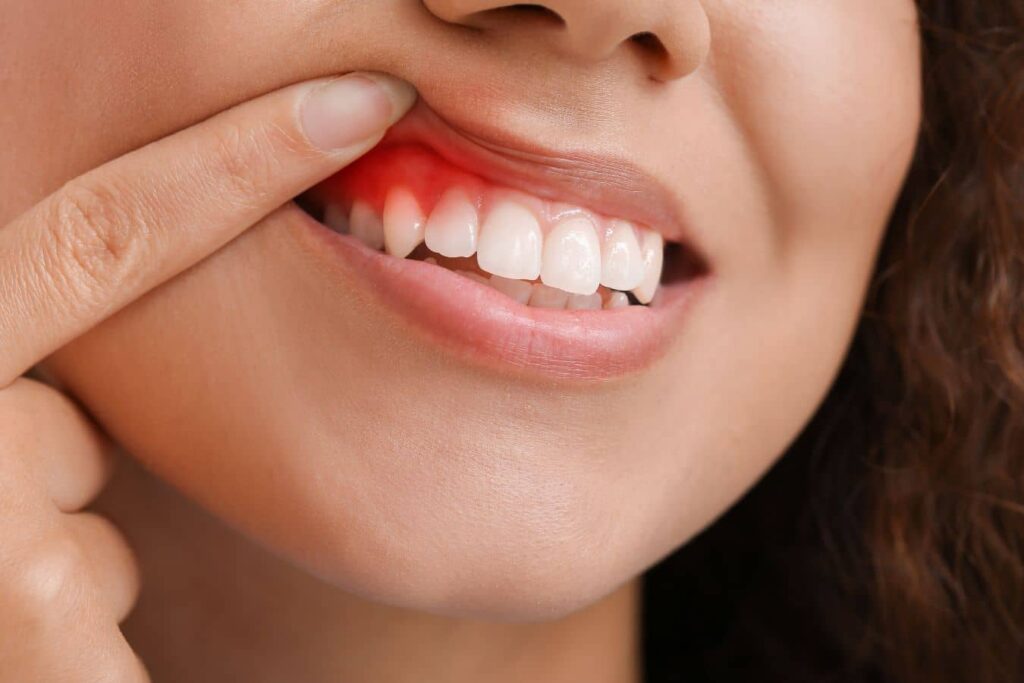
- Have deep gum pockets, receding gums, or teeth that have started to feel loose
- Haven’t gotten the results you hoped for from previous gum treatments
- Have a health condition — like diabetes or a bleeding disorder — that makes traditional surgery riskier
- Simply want a less invasive option with a faster recovery
Smokers may also be candidates, though healing can take longer and results may be less predictable. Dr. Gallardo will do a thorough evaluation — including digital X-rays to check bone levels and pocket depths — before making any recommendations.
Can LANAP Help Save Loose Teeth?
This is one of the questions patients ask most, and the answer is often yes. When LANAP helps regenerate the bone and tissue around a tooth root, that tooth can regain the support it lost — reducing mobility and giving it a much better long-term outlook.
Of course, not every loose tooth can be saved, and that’s exactly why acting early matters so much. The more bone and tissue that remain when treatment begins, the more the body has to rebuild with. If you’ve noticed any loosening, sensitivity, or changes in how your teeth fit together, that’s your signal to come in sooner rather than later.
LANAP Before & After Photos
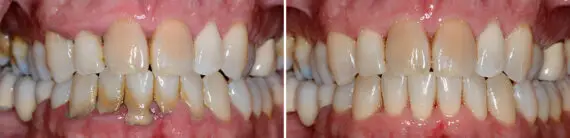
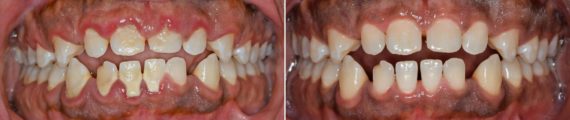
* All patients are unique and individual results may vary.
What Results Can You Expect After LANAP?
Healing from LANAP happens in stages, and knowing what’s normal at each point helps you feel confident in your recovery:
- Days 1–3: Some tenderness and light bleeding are normal. Your gums may feel a little sore, and you might notice a medicinal taste from the prescribed rinse.
- Days 4–10: Your gums start forming new attachments to the teeth. Mild swelling or sensitivity can continue during this stage — avoid brushing the treated areas and stick to your diet instructions.
- Weeks 2–4: Most patients are comfortably back to eating normally. Any minor bite changes typically settle down as the gums stabilize.
- Months 1–3: Healing continues beneath the surface. Gums return to a healthy pink color and bone regeneration gets underway.
Bone-level improvements typically show up on X-rays around six months to a year post-treatment. Keeping those results long-term means staying on top of your periodontal maintenance visits and home care routine.
LANAP Laser Treatment in Miami, FL
At Gallardo Periodontics and Implant Dentistry in Miami, LANAP is performed by Dr. John Paul Gallardo — South Florida’s leading periodontist with more than 30 years of experience focused exclusively on gum disease and dental implants. Dr. Gallardo earned his Doctor of Dental Surgery degree from New York University College of Dentistry and completed advanced studies in periodontics and dental implants at Boston University. He has lectured to dental professionals nationally and internationally and has been featured by the Miami Herald and Univision as an oral health expert.
Patients at Gallardo Periodontics also have access to IV conscious sedation, making it easy to stay relaxed and comfortable throughout the procedure. From your first consultation to your follow-up visits, Dr. Gallardo and his team are with you every step of the way.
Schedule Your Appointment Before Bone Loss Gets Worse
Gum disease doesn’t wait, and neither should you. The more time that passes, the more bone and tissue are at risk — and the harder it becomes to recover what’s been lost. Whether you’ve already been told you have bone loss or you’re just noticing the early signs, now is the right time to find out what LANAP can do for you.
Contact Gallardo Periodontics and Implant Dentistry in Miami to schedule your consultation with Dr. Gallardo today.