

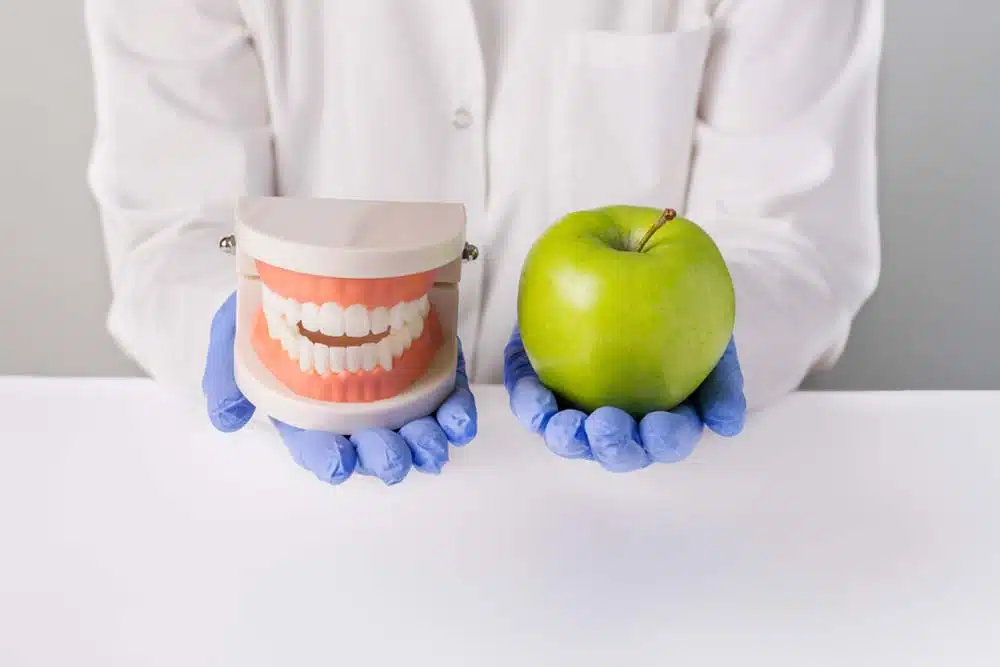
If you have recently begun wearing partial dentures, adjusting to this new dental item can be difficult, particularly when it comes to eating. Partial dentures can help fill up gaps left by missing teeth and enhance general dental health, but they do have some limitations during eating. With practice and patience, you can learn to eat comfortably and confidently with your dentures.
Can You Eat Normally With Partial Dentures?
Yes, you can eat comfortably with partial dentures, but it requires a brief adjustment period. Since partials are not natural teeth, you will need to start with softer foods, cut your meals into smaller pieces, and learn to balance your chewing on both sides of your mouth to prevent the denture from shifting or putting uneven pressure on your gums.
5 Essential Tips for Eating With Partial Dentures.
Start with Soft Foods
During the first few days or weeks of wearing your partials, it’s best to stick to soft foods that require minimal chewing.
During the adjustment period, try mashed potatoes, yogurt, applesauce, and scrambled eggs. Gradually introduce harder foods into your diet as you become more comfortable with your dentures.
Cut Food into Small Pieces
Cutting food into smaller, bite-sized bits will help you chew more easily and save you from stressing your dentures too much. Moreover less likely to get caught between your denture and gums are smaller food bits, which would cause discomfort and irritation.
By cutting food into smaller pieces and taking your time while eating, you can help your mouth adjust to the presence of your partials and reduce the likelihood of sore spots developing in your mouth.
Chew Slowly and Carefully
Eating slowly will assist you accuate to your partials. Slowly and carefully chewing enables you to feel how your dentures are working and lets you make any required changes to prevent dental device dislodging. Furthermore, careful and slow chewing helps food break down so you may maximize the nutrients from your meals.
Avoid Sticky and Hard Foods
Certain foods can be particularly challenging for partial denture wearers due to their texture or consistency. Sticky foods, such as caramel or gummy candies, can adhere to your dentures and potentially dislodge them. Hard foods, like nuts, popcorn kernels, or hard candy, can put a great deal of pressure on your dentures and even cause damage. To stay comfortable and avoid damaging your dental appliance, avoid these types of foods, especially during the initial adjustment period.
Use Both Sides of Your Mouth
When eating with partial dentures, try to distribute the pressure evenly by using both sides of your mouth to chew. When you chew only on one side, there is an imbalance of pressure on the denture and underlying tissues. Over time, this imbalance can lead to mouth discomfort, sore spots, and even uneven wear on the denture. As you become more comfortable with your dentures, you’ll naturally learn to chew using both sides of your mouth, resulting in a more comfortable and enjoyable eating experience.

Need a Dentist?
ENHANCE YOUR ORAL HEALTH, CONTACT OUR MIAMI OFFICE TODAY!!
What to Eat (and Avoid) With Partial Dentures
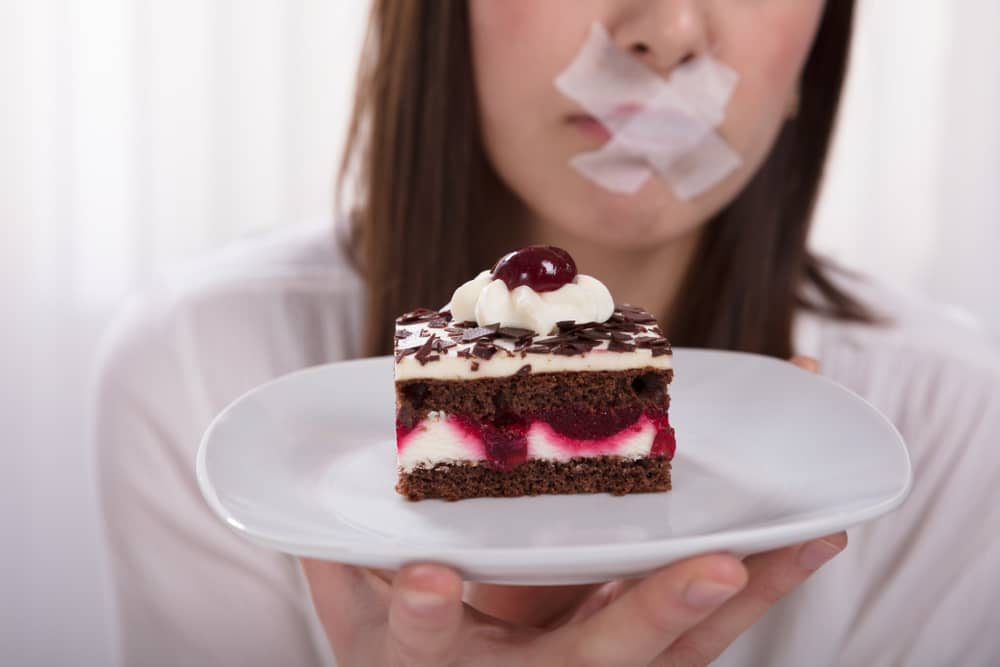
Foods to Avoid for Partial Denture Patients
In addition to sticky and hard foods, there are other foods that partial denture wearers should avoid or consume with caution. These include:
- Tough meats: Opt for tender cuts of meat or slow-cooked dishes to minimize chewing difficulty.
- Raw vegetables: Cooked or steamed vegetables are easier to chew and gentler on your dentures.
- Crusty bread: Soft bread or rolls are a better option for denture wearers, as crusty bread can be challenging to bite and chew.
- Seeds and small food particles: Foods with small seeds or particles can become trapped under your dentures, causing irritation.
Safe Foods for Partial Denture Patients
While some foods may be more challenging to eat with partials, there are plenty of denture-friendly options available. Some safe and enjoyable foods for denture wearers include:
- Soft fruits: Applesauce, bananas, and canned fruits are easy to chew and gentle on your dentures.
- Cooked vegetables: Steamed or cooked vegetables are softer and easier to chew than their raw counterparts.
- Soft meats: Tender cuts of meat, poultry, and fish are more manageable for denture wearers.
- Dairy products: Yogurt, cottage cheese, and soft cheeses are nutritious and easy to eat with dentures.
- Soft grains: Cooked grains like rice, pasta, and oatmeal are gentle on your dentures and provide essential nutrients.
Can You Eat With a Flipper Tooth (Temporary Partial)?
A “flipper tooth” is a lightweight, temporary partial denture typically made of acrylic. Because it is designed primarily for aesthetics while you wait for a permanent solution (like a dental implant), it is much more fragile than a permanent partial denture.
Yes, you can eat with a flipper tooth, but you must be extremely careful. You should stick strictly to soft foods and avoid biting down directly on the flipper with hard or crunchy items, as the acrylic can easily crack or break.
How to Clean Your Partial Dentures After Eating
Proper oral hygiene is crucial for maintaining the health of your remaining natural teeth and ensuring the longevity of your dentures. By following a consistent dental care routine, you can prevent potential oral health issues and enjoy comfortable and functional dentures.
Cleaning the Denture After Meals
It’s essential to clean your dentures after each meal to remove food particles and prevent plaque buildup. Rinse your dentures under running water to dislodge any loose food particles. Then, use a soft-bristle toothbrush or a denture brush with a non-abrasive denture cleanser to gently clean the denture surfaces. Make sure that you clean every part of the denture, such as the clasps and the sections that touch your gums. After cleaning, rinse the denture thoroughly before reinserting it into your mouth.
Brushing and Flossing Remaining Natural Teeth
Maintaining the health of your remaining natural teeth is just as important as caring for your dentures. Brush your natural teeth at least twice a day using fluoride toothpaste and a soft-bristle toothbrush. Be sure to reach all surfaces of your teeth, including the areas adjacent to the denture clasps. Floss daily to remove plaque and food particles between your teeth and under the gumline.
Regular Check-ups with the Dentist
To maintain your overall oral health and guarantee the correct fit and function of your dentures, regular dental check-ups are crucial. Your dentist will examine your mouth, assess the condition of your remaining natural teeth, and check for any signs of gum disease or other oral health issues.
With check-ups, practice, and patience, you’ll be able to enjoy a wide variety of foods and maintain a healthy and balanced diet. Your dentures will become more comfortable and easier to manage over time.
If you have partial dentures, struggle with a lack of functional teeth, or feel self-conscious about the aesthetics of your smile, it’s time to take action.
Call us at 305-447-1447 or click here to schedule a consultation with John Paul Gallardo DDS, PA, in Miami, FL. Dr. Gallardo will help you discover the best strategy for achieving functional teeth and a confident smile. With his expertise and personalized approach, he will assess your unique needs, discuss treatment options, and develop a customized plan to restore your oral function and enhance your overall well-being.
Frequently Asked Questions: Eating With Partial Dentures
About the Author
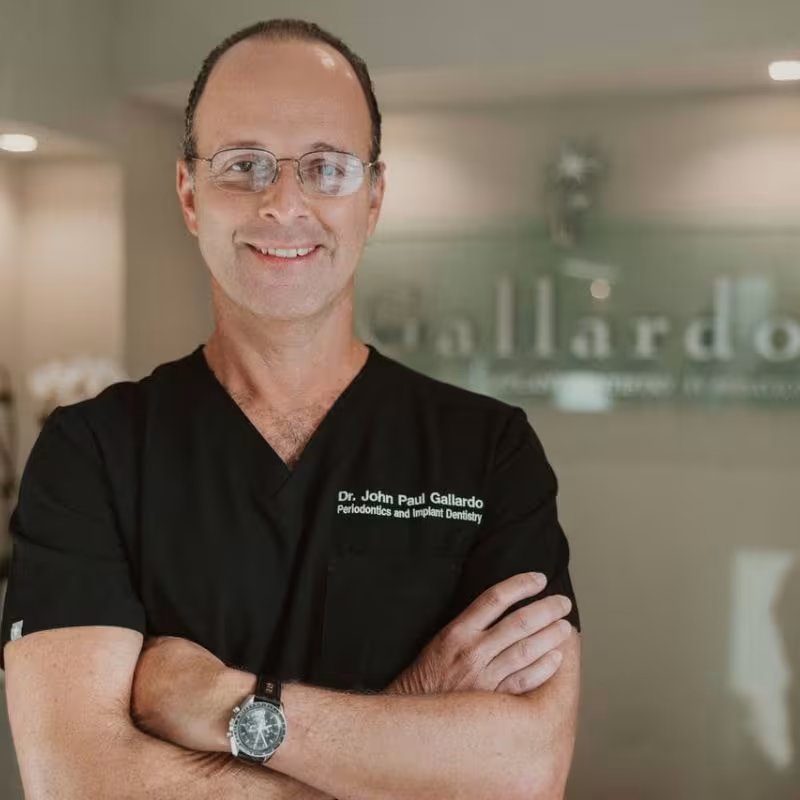
Dr. John Paul Gallardo is a periodontist and implant surgeon based in Miami, FL, with more than 30 years of experience focused exclusively on periodontal disease and dental implants. He earned his Doctor of Dental Surgery degree from New York University College of Dentistry and completed advanced graduate studies in periodontics and implant dentistry at Boston University. Dr. Gallardo performs over 400 surgical procedures each year and lectures to dental professionals nationally and internationally. At Gallardo Periodontics and Implant Dentistry, every implant case is planned with long-term predictability in mind.