

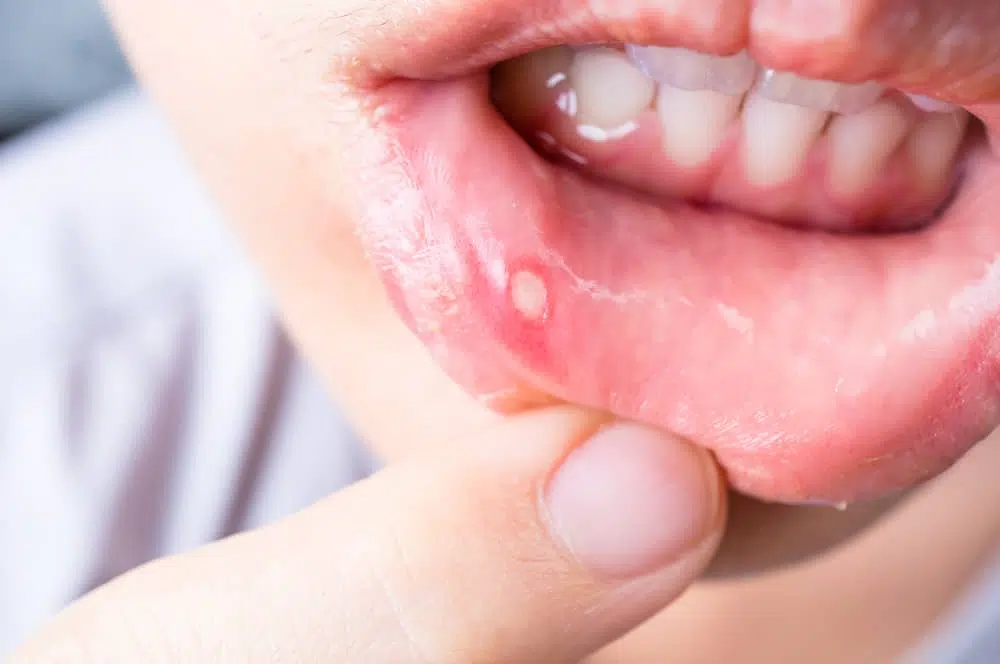
Quick Answer: The fastest way to manage a canker sore is to treat the pain first and reduce irritation while it heals. Numbing gels and cold therapy can provide quick relief, while prescription corticosteroids may help reduce inflammation and shorten healing time in more severe cases. Most minor canker sores still take about one to two weeks to disappear completely.
Have you ever been stopped mid-bite by a sharp sting in your mouth? That small but mighty pain is likely a canker sore, and if you’re dealing with one right now, you’re probably wondering how to get rid of it fast. These pesky ulcers can turn everyday eating and speaking into an uncomfortable chore.
From at-home care to prescription treatment, the right approach depends on whether your priority is relieving pain, protecting the sore from irritation, or helping a more severe ulcer heal.
Key Takeaways
| Goal | Best Next Step |
|---|---|
| Reduce pain quickly | Use a topical numbing product or cold therapy |
| Care for it at home | Use saltwater or baking soda rinses and avoid foods that irritate the sore |
| Help it heal faster | Prescription topical corticosteroids may reduce inflammation and shorten healing time in some cases |
| Know when to get help | Have a dentist or healthcare professional evaluate an unusually large sore, one that keeps returning, causes severe pain or difficulty eating or drinking, occurs with fever, or lasts longer than about two weeks. |
Can You Pop a Canker Sore?
No, you should not pop a canker sore. Unlike pimples, canker sores are not filled with pus or fluid. Trying to pop one can increase pain, cause infection, and delay healing. The safest way to treat a canker sore is to reduce irritation and support natural healing with gentle remedies.
Canker Sore Treatment at Home
If you’re wondering what to put on a canker sore, several at-home and over-the-counter options can help control discomfort while the area heals. The best option depends on whether your goal is to numb the pain, protect the sore from irritation, or keep the area clean.
Saltwater Rinse
A saltwater rinse is a simple way to soothe a canker sore and keep the area clean while it heals. According to Mayo Clinic, you can make a saltwater rinse by mixing ½ teaspoon of table salt with 8 ounces (1 cup) of warm water. Swish the solution gently around your mouth, then spit it out. You can repeat this several times a day as needed.
Baking Soda Rinse
Baking soda can also be used as a mouth rinse for canker sores. Mayo Clinic recommends mixing 1 teaspoon of baking soda with ½ cup of warm water. Swish the mixture gently around your mouth and spit it out rather than swallowing it.
Ice and Cold Relief
For temporary pain relief, let an ice chip slowly dissolve near the canker sore. The cold can numb the area and make eating or speaking more comfortable. Avoid pressing ice directly against the sore for an extended period, since additional irritation can make an already painful ulcer more uncomfortable. Mayo Clinic includes slowly dissolving ice chips among its self-care recommendations.
OTC Numbing Products
Over-the-counter numbing products can provide short-term relief from canker sore pain. According to Cleveland Clinic, topical anesthetics such as benzocaine can help ease canker sore symptoms by temporarily numbing the affected area. This can make eating, drinking, and talking more comfortable while the sore heals. Always use these products according to the package directions.
Protective Pastes and Coatings
Protective pastes and coatings work differently from numbing products. They cover the sore and help shield it from friction and irritation caused by food, teeth, or other surfaces in the mouth. MedlinePlus notes that over-the-counter products such as Orabase can help protect sores inside the lip and on the gums. Some products may also contain medication, so follow the label instructions when applying them.
Hydrogen Peroxide
Hydrogen peroxide can be used as an optional at-home treatment for canker sore discomfort. Dilute 3% hydrogen peroxide with an equal amount of water, then apply a small amount directly to the sore with a cotton swab. Take care not to swallow the mixture. Hydrogen peroxide should be viewed as a supportive option for symptom management rather than a guaranteed way to prevent infection or speed healing.
Natural Remedies for Canker Sores
Some natural and at-home remedies may help relieve canker sore discomfort, although the evidence varies by treatment. Honey has been studied for recurrent canker sores, with some clinical research showing reductions in pain, ulcer size, and healing time, while Mayo Clinic recommends dabbing a small amount of milk of magnesia on the sore a few times a day as a self-care option. Other remedies, including chamomile and probiotic-containing foods such as yogurt, are sometimes used for oral discomfort, but there is less direct evidence that they speed canker sore healing, so they are best viewed as supportive options rather than substitutes for established treatment.

Need a Dentist?
ENHANCE YOUR ORAL HEALTH, CONTACT OUR MIAMI OFFICE TODAY!!
Prescription Canker Sore Treatments
When home treatments aren’t enough, prescription medicine for canker sores may be appropriate, especially for severe, persistent, or frequently recurring sores. These treatments can help reduce inflammation, control pain, and, in some cases, shorten healing time.
Topical Steroids
Topical corticosteroids are commonly used when a canker sore is especially painful, persistent, or not responding to basic at-home care. They work by reducing inflammation at the ulcer site. A 2026 evidence review found that topical corticosteroids consistently reduced pain and shortened healing time in recurrent aphthous stomatitis (recurring canker sores). Prescription options may include medications such as triamcinolone or fluocinonide, depending on the patient and the location of the sore.
Prescription Mouth Rinses
For multiple canker sores or ulcers that are difficult to treat with a topical product, a dentist or healthcare professional may prescribe a medicated mouth rinse. A dexamethasone rinse can help reduce pain and inflammation when several canker sores are present. Chlorhexidine is another prescription rinse that may sometimes be used as part of treatment. Because canker sores are not bacterial infections, chlorhexidine does not treat an infection that causes the sore. Its role is better presented as an adjunctive oral treatment in selected cases.
Oral Medications for Severe or Persistent Canker Sores
If severe canker sores do not improve with topical treatments or prescription rinses, a healthcare professional may consider oral medication. Oral corticosteroids may be used for severe sores that have not responded to other treatments, but they are generally not a first choice because of their potential side effects. Other systemic medicines may be considered for recurrent or difficult-to-treat disease, particularly when an underlying medical condition is involved.
Cauterization
Cauterization is a medical technique that may be used to treat severe or persistent canker sores by applying a chemical substance or heat to the affected tissue. The treatment may provide rapid pain relief and is generally considered when a sore is particularly painful or has not responded to other treatments. Chemical cautery may involve substances such as silver nitrate and is performed by a healthcare professional.
Laser Therapy
Laser therapy is another option that may be considered for painful, severe, or recurrent canker sores that do not respond well to conventional treatment. Using a dental laser, a professional can target the affected area to reduce pain and support healing. Research has found that certain forms of laser therapy may provide relatively rapid pain relief and shorten healing time. The procedure is minimally invasive, but results can vary depending on the type and severity of the sore and the laser technique used.
Do Canker Sores Spread Through Your Mouth?
No. Canker sores are not contagious and do not spread from person to person. They are also different from cold sores: canker sores develop inside the mouth and are not caused by the herpes simplex virus (HSV), while cold sores are caused by HSV and can spread through close contact. Having several canker sores at once does not mean that one sore has “spread” to create the others.
Preventing Future Canker Sores
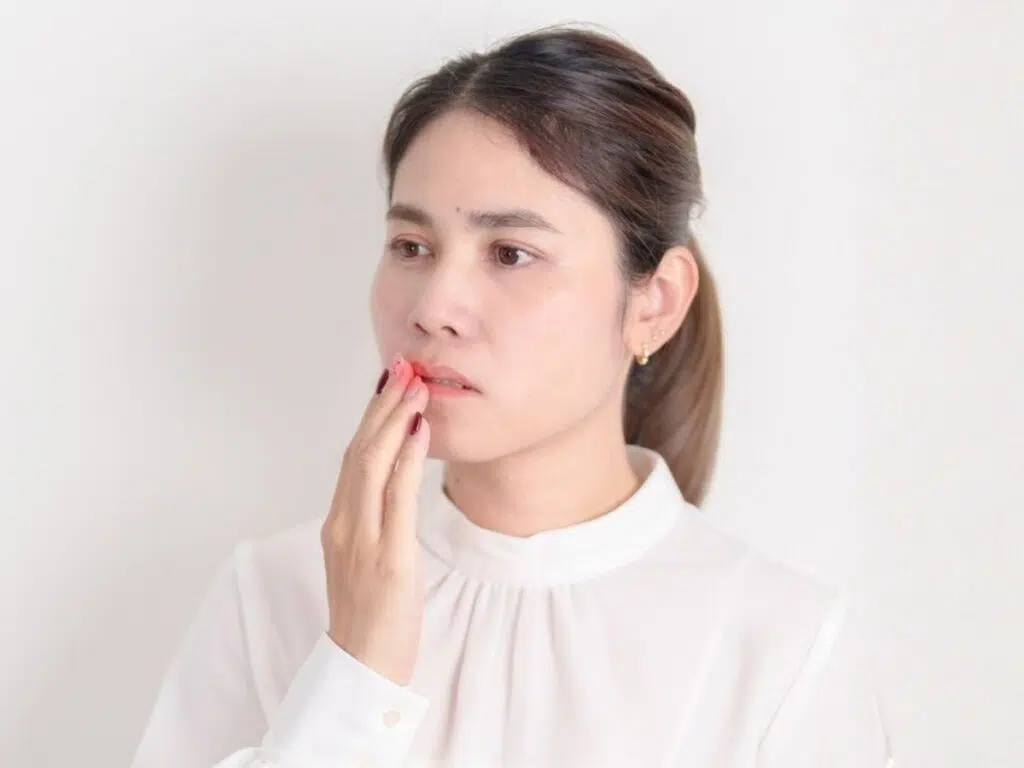
While canker sores often appear without warning, there are several habits you can adopt to lower your chances of getting them in the first place. Prevention starts with understanding your triggers and maintaining a healthy oral care routine. Below are some of the best practices to help keep those painful ulcers at bay:
- Practice good oral hygiene: Brush and floss daily using a soft-bristled toothbrush and gentle, non-abrasive toothpaste to avoid irritating the inside of your mouth.
- Avoid trigger foods: Spicy, acidic, and rough-textured foods like chips or citrus fruits can provoke or worsen canker sores in some individuals.
- Manage stress levels: Emotional stress is a known trigger for many people. Relaxation techniques like meditation or regular exercise can help reduce flare-ups.
- Stay hydrated: Drinking plenty of water keeps your mouth moist and flushes out irritants that could contribute to sore formation.
- Address nutritional deficiencies: Deficiencies in vitamin B12, folate, iron, or zinc may be associated with recurrent canker sores. If sores keep returning, a healthcare professional can determine whether testing or supplementation is appropriate.
- Avoid mouth trauma: Be cautious while eating or brushing your teeth, and consider using a mouthguard if you grind your teeth or bite your cheeks at night.
How Long Does a Canker Sore Take to Heal?
Most minor canker sores heal on their own within about 1 to 2 weeks, although the pain often begins improving sooner. Larger or more severe canker sores can take longer to heal. Treatments such as topical pain relievers can make the sore more comfortable while it heals, while certain prescription treatments may help reduce inflammation and shorten healing time.

When a Dentist Can Help
Most minor canker sores heal on their own, but professional evaluation can be helpful when a sore is unusually painful, keeps coming back, or does not heal as expected. A dentist can examine the area to determine whether it appears consistent with a canker sore, check for irritation from a sharp tooth, restoration, or dental appliance, and recommend prescription treatment when appropriate. Persistent or recurrent ulcers may also require further evaluation or referral if another underlying cause is suspected.
If you’re dealing with a persistent or painful mouth sore, Dr. John Paul Gallardo can evaluate the area and discuss appropriate treatment options. To schedule an appointment, call 305-447-1447 or visit our contact page.
Other Canker Sore FAQs

ABOUT THE DOCTOR
Dr. John Paul Gallardo, DDS, PA
Periodontist and Dental Implant Specialist in Miami
Dr. John Paul Gallardo is a periodontist and dental implant specialist in Miami with more than 30 years of experience treating gum disease, placing dental implants, and managing complex periodontal cases. He earned his Doctor of Dental Surgery degree from New York University College of Dentistry in 1991 and later completed advanced graduate studies in Periodontics and Dental Implants at Boston University, where he earned a C.A.G.S. degree.
Dr. Gallardo has also lectured nationally and internationally to dentists and dental hygienists on topics related to gum disease and implant dentistry. He has been interviewed by the Miami Herald and Univision as an expert contributor on oral health topics.
Dr. Gallardo’s Credentials Include:
- Doctor of Dental Surgery (DDS) — New York University College of Dentistry
- Advanced Graduate Studies in Periodontics and Dental Implants — Boston University
- C.A.G.S. Degree — Boston University
- 30+ Years of Experience
- Outstanding Resident of the Year — V.A. Medical Center General Practice Residency Program
- National and International Lecturer on periodontics and implant dentistry
Expertise Areas:
Periodontics, Gum Disease Treatment, Dental Implants, Complex Periodontal Care