


Patients planning dental implants often ask how long after bone graft for implant treatment they should expect to wait before the next step. The answer is not one-size-fits-all. Timing depends on how much bone was lost, the type of graft used, where the graft was placed, and how the body heals. Understanding this timeline helps patients plan treatment realistically and avoid complications that could affect implant success.
At Gallardo Periodontics and Implant Dentistry, bone grafting and dental implants are approached as part of a carefully sequenced process. The goal is not to rush treatment, but to ensure the jawbone is strong and stable enough to support long-term implant success.
The Implant Timeline at a Glance
- Most bone grafts require several months of healing before implant placement.
- The size and type of graft strongly influence the waiting period.
- Placing implants too early can increase the risk of implant failure.
- Some grafts and implants can be done at the same time in select cases.
- A personalized implant consultation is essential for proper timing.
Why Bone Grafting May Be Needed Before Dental Implants
Dental implants rely on the jawbone for stability. When a tooth has been missing for a long time, bone resorption can occur, leaving insufficient bone to support an implant. Bone loss may also follow tooth extraction, gum disease, trauma, or previous dental procedures.
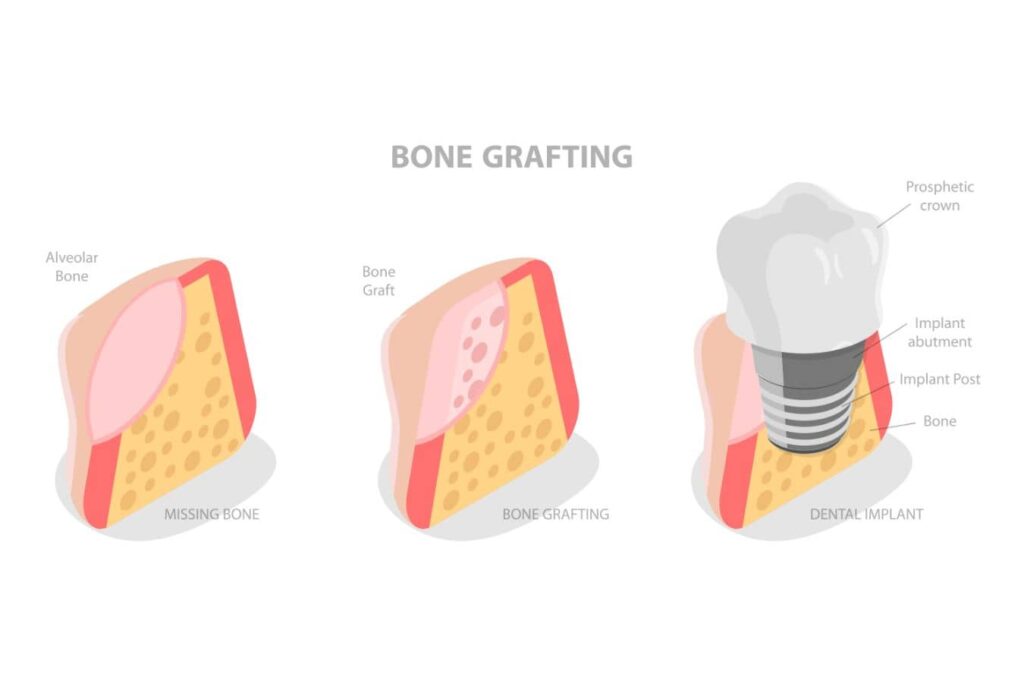
Bone grafting restores lost bone and rebuilds the jawbone structure so that an implant can integrate properly. Without adequate bone volume and density, implants may loosen, fail to integrate, or compromise long-term oral health.
Types of Bone Grafts Used Before Implant Placement
Understanding the types of bone grafts helps clarify why healing timelines vary.
Common graft types include socket preservation after tooth extraction, ridge augmentation to widen or heighten the jawbone, and sinus lift procedures in the upper jaw. Graft material may come from donor bone, synthetic sources, or a combination designed to stimulate natural bone regeneration.
Smaller grafts, such as socket preservation, typically heal faster than larger grafts that rebuild significant bone loss. Sinus lifts and extensive ridge augmentation generally require longer healing periods before implant placement.
Typical Bone Graft Healing Timeline Before Implants
The bone graft healing timeline depends on how much bone regeneration is required.
In many cases, implants are placed approximately 3 to 6 months after a bone graft procedure. This allows time for the graft material to integrate with the natural bone and create a stable foundation. Larger grafts may require closer to 6 to 9 months, and in complex cases, waiting up to a year may be recommended to maximize implant success.
The maximum waiting period after a graft is also important. While bone grafts do not “expire,” long delays without implant placement may allow bone resorption to resume, which is why follow-up planning matters.
What Factors Affect How Long You Need to Wait?
Several factors influence how long after a bone graft dental implants are typically placed.
The type of graft, graft size, and location all play a role. A small graft placed during tooth extraction may heal quickly, while a sinus lift involves more extensive bone regeneration. Overall health, oral hygiene, smoking, and certain medical conditions can also slow the healing process.
Bone quality and density are evaluated carefully during follow-up visits to ensure the graft has matured enough to support implant placement.
Can Dental Implants Ever Be Placed at the Same Time as a Bone Graft?
In some situations, implants and bone grafts can be placed at the same time. This is most common when bone loss is mild and there is enough existing bone to stabilize the implant initially.
However, same-time placement is not appropriate for everyone. When bone loss is significant, placing an implant too soon can compromise stability and increase the risk of implant failure. A thorough implant consultation determines whether staged or same-time treatment is appropriate.
What Happens If Implants Are Placed Too Soon?
Placing an implant before the bone is fully healed can interfere with osseointegration, the process where the implant fuses with the jawbone. If the graft has not matured, the implant may lack support, increasing the risk of movement, infection, or failure.
Waiting for proper healing improves long-term outcomes and reduces the need for corrective procedures. While waiting can feel frustrating, it is often the safest path toward predictable implant success.
Need a Dentist?
ENHANCE YOUR ORAL HEALTH, CONTACT OUR MIAMI OFFICE TODAY!!
How the Full Bone Graft and Implant Process Works
The overall implant timeline typically begins with evaluation and imaging to assess bone structure. If bone grafting is needed, the graft is placed first and allowed to heal. Follow-up visits monitor bone regeneration and graft success.
Once the bone is ready, implant placement is performed. After implant healing, which usually takes several months, the final restoration is attached. Each phase is planned to support healing and long-term function.
Temporary Tooth Replacement Options While You Wait
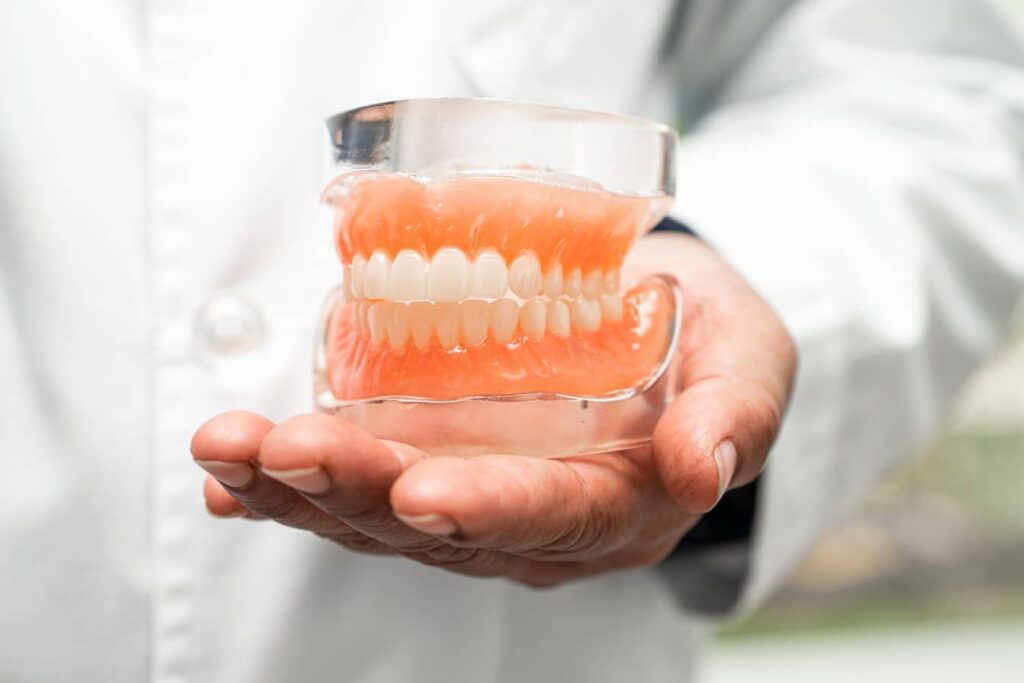
During the healing period, temporary solutions may be recommended to maintain appearance and function. These can include temporary dentures or removable appliances that protect the graft site while allowing daily activities to continue.
Temporary solutions are designed not to interfere with the healing process or place pressure on the graft.
What to Expect During Recovery After Bone Grafting
Recovery after a bone graft procedure varies based on graft size and location. Most patients experience mild swelling and discomfort that can be managed with prescribed or over-the-counter medication.
Following post-procedure instructions, maintaining good oral hygiene, and avoiding pressure on the graft site all support proper healing. Dr. Gallardo and his team provide detailed recovery guidance to help patients feel prepared and supported.
How Early Evaluation Improves Implant Outcomes
Early evaluation allows bone loss to be addressed before it becomes more severe. Planning implant placement soon after tooth loss or extraction can reduce the need for larger grafts and shorten the overall timeline.
An implant consultation helps determine whether socket preservation, ridge augmentation, or other grafting techniques are appropriate to support future implants.
Before & After Photos

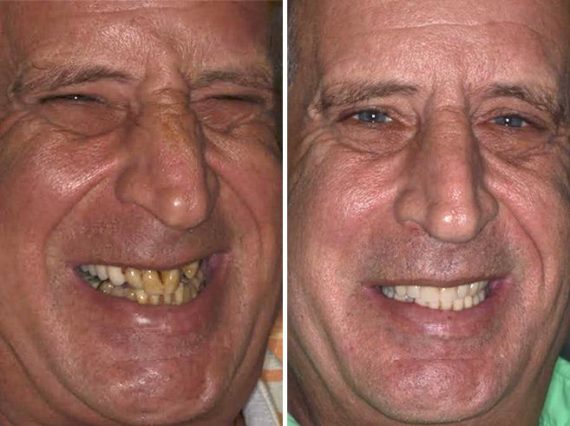
* All patients are unique and individual results may vary.
Why Choose Dr. Gallardo in Miami, FL?
Dr. Gallardo is a periodontist with extensive experience in bone grafting, dental implants, and advanced procedures such as All-on-4 implants. His approach emphasizes careful planning, precise execution, and long-term implant success.
Patients seeking implant specialists in Miami benefit from treatment plans that prioritize healing, bone regeneration, and predictable outcomes rather than rushing the process.

Consult With an Expert Periodontist About Your Implant Timeline
If you are considering dental implants and have been told you need a bone graft, scheduling an implant consultation today is the best way to understand your personal timeline. Imaging and evaluation help determine when implant placement can occur safely.
Timing Matters for Implant Success
The question of how long after a bone graft dental implants are typically placed depends on individual healing and treatment needs. Allowing the graft to fully integrate before implant placement protects long-term results and reduces complications. With proper planning and expert care, dental implants can provide durable, functional tooth replacement.