


When gum disease progresses beyond early inflammation, professional periodontal treatment becomes essential for protecting oral health, preserving bone, and maintaining a healthy smile. Patients researching treatment options often come across two common approaches: LANAP and osseous surgery. While both are effective periodontal therapies, they differ significantly in how they are performed, what they address, and how recovery feels for the patient.
At his Miami, FL practice, Dr. John Paul Gallardo helps patients understand the differences between LANAP and osseous surgery through careful diagnosis and personalized treatment planning. Choosing the right approach depends on the severity of gum disease, bone involvement, and long-term dental health goals.
Why Treating Gum Disease Early Matters for Long-Term Oral Health
Gum disease begins as gingivitis, marked by redness, bleeding, and inflammation of the gum tissue. At this stage, the condition may be reversible with professional cleanings and improved dental care. When untreated, gingivitis can progress into periodontitis, where infection spreads below the gumline and begins damaging the bone that supports the teeth.
Advanced gum disease can lead to gum recession, loose teeth, bone loss, and complications with future dental implants. Periodontal therapy aims to remove diseased gum tissue, reduce infection, and create an environment that supports healthy gums and long-term oral health.
How LANAP Treats Gum Disease Without Traditional Surgery
LANAP, or Laser-Assisted New Attachment Procedure, is a laser-based periodontal therapy used to treat gum disease without traditional cutting or sutures. It is designed to selectively target infected tissue while preserving healthy gum tissue.

What to Expect During a LANAP Procedure
During LANAP treatment, a specialized dental laser is used to remove diseased gum tissue and bacteria from periodontal pockets around the teeth. The laser also helps disrupt harmful bacteria and encourages clot formation, which supports healing of the gum tissue against the tooth surface.
Ultrasonic instruments may then be used to remove hardened plaque and tartar from the tooth and bone. The gums are allowed to heal naturally without stitches in most cases.
Why LANAP Is Considered a Minimally Invasive Periodontal Treatment
Because LANAP does not require cutting the gums or placing sutures, it is often described as a minimally invasive alternative to traditional gum surgery. Many patients experience less post-procedure discomfort, reduced swelling, and a quicker return to daily activities compared to surgical approaches.
Who May Be a Candidate for LANAP Laser Gum Treatment
LANAP may be appropriate for patients with mild to moderate periodontal disease and certain cases of more advanced disease, depending on bone levels and pocket depth. A thorough periodontal evaluation is necessary to determine whether laser gum surgery is suitable or whether other treatments are needed.
Need a Dentist?
ENHANCE YOUR ORAL HEALTH, CONTACT OUR MIAMI OFFICE TODAY!!
How Osseous Surgery Treats Advanced Periodontal Disease
Osseous surgery, sometimes referred to as traditional periodontal surgery, is used when gum disease has caused significant bone loss and irregular bone contours that cannot be adequately addressed with non-surgical therapy alone.
What Happens During Osseous Surgery
During osseous surgery, the gums are carefully lifted back to allow direct access to the tooth roots and underlying bone. Diseased gum tissue and bacteria are removed, and the bone may be reshaped to eliminate areas where infection can persist. The gum tissue is then repositioned and secured with sutures to promote healing.
When Osseous Surgery May Be Recommended
Osseous surgery is commonly recommended for advanced periodontal disease when deep pockets and bone defects remain after initial periodontal therapy. It allows for precise cleaning and reshaping that supports long-term gum health and helps stabilize teeth.
What to Know About Recovery After Osseous Surgery
Because osseous surgery is more invasive than laser therapy, recovery typically involves more swelling, tenderness, and downtime. Sutures are usually required, and patients may need a longer healing period before returning fully to normal routines.
LANAP ® Before & After Photos
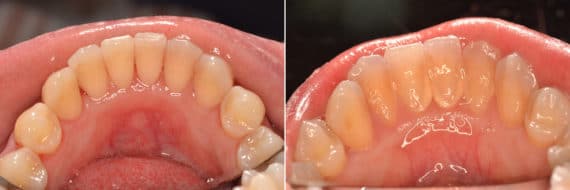
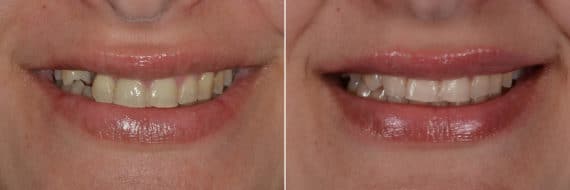
* All patients are unique and individual results may vary.
LANAP vs Osseous Surgery: Key Differences Patients Should Know
Both treatments aim to control infection and support healthy gum tissue, but the patient experience can differ in meaningful ways.
Comparing Comfort and Invasiveness
LANAP generally involves less tissue disruption, no incisions, and minimal bleeding. Osseous surgery requires surgical access to the bone and gum tissue, which can result in more post-operative discomfort.
Comparing Healing Time and Impact on Daily Life
Patients undergoing LANAP often resume normal activities more quickly, with less swelling and fewer dietary restrictions. Osseous surgery usually involves a more structured recovery period and closer short-term follow-up.
Comparing Long-Term Gum Health Outcomes
Both LANAP and osseous surgery can be effective periodontal therapies when properly selected and maintained. Long-term success depends heavily on ongoing periodontal maintenance, good dental hygiene, and regular professional care.
How Dentists Determine Whether LANAP or Osseous Surgery Is Right

Treatment Options for Mild to Moderate Periodontal Disease
For patients with less advanced gum disease, LANAP or other non-surgical treatments may be sufficient to control infection and improve gum health without traditional surgery.
Treatment Considerations for Advanced Periodontal Disease
When bone loss and deep periodontal pockets are present, osseous surgery may be the most predictable way to restore access for cleaning and support long-term stability. In some cases, laser therapy and surgical approaches may be used as part of a broader periodontal treatment plan.
Why a Personalized Periodontal Evaluation Matters
No single treatment is right for every patient. Factors such as bone levels, gum tissue condition, overall dental health, and future plans for dental implants all influence treatment recommendations.
Choosing the Right Periodontal Treatment With Dr. Gallardo in Miami
Conservative and Evidence-Based Treatment Philosophy
Dr. Gallardo emphasizes accurate diagnosis and evidence-based dentistry, recommending the least invasive option that can effectively manage gum disease while protecting long-term oral health.
Experience With Both LANAP and Osseous Surgery
With experience in laser dentistry and traditional periodontal surgery, Dr. Gallardo helps patients understand the benefits and limitations of each approach based on their individual condition.
Patient-Focused Periodontal Care From Consultation Through Maintenance
From initial consultation through periodontal maintenance, care is focused on education, comfort, and long-term dental health outcomes.
Schedule a Periodontal Consultation in Miami
If you have been diagnosed with gum disease or are experiencing symptoms such as bleeding gums, gum recession, or loose teeth, a professional periodontal evaluation is an important next step. A personalized consultation with Dr. Gallardo can help determine whether LANAP, osseous surgery, or another periodontal therapy is best for restoring healthy gums and protecting your smile.