

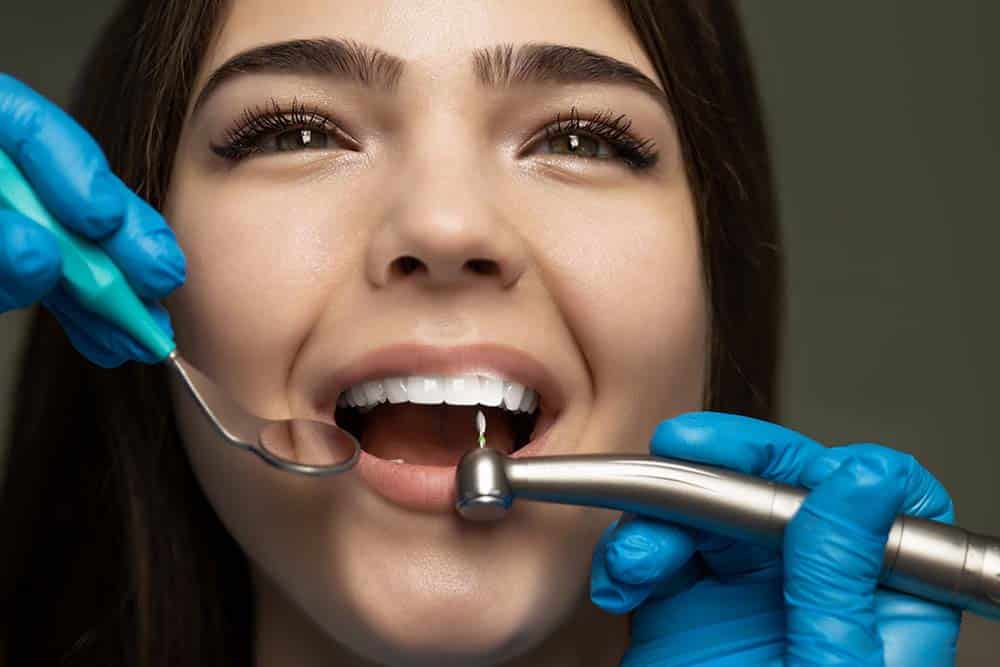
Quick Answer: Yes, root canal treatment is generally worth it. Temporary pain, swelling, or sensitivity can occur, but serious complications are rare, and the procedure can relieve infection, preserve your natural tooth, and prevent further dental problems.
If you’re wondering about root canal treatment side effects, you’re not alone. I often speak with patients who are concerned about what they may feel after a root canal and whether the procedure is really worth it.
In most cases, root canal treatment is very effective and recovery is straightforward. You may have some temporary soreness, swelling, or sensitivity afterward, but these symptoms usually improve within a few days. Knowing what to expect—and when something may need a closer look—can help you feel more comfortable and confident about your treatment.
Key Takeaways
- Proper aftercare matters. Good oral hygiene, avoiding hard foods until the tooth is fully restored, and following your dentist’s instructions can help support a smooth recovery.
- Most root canal side effects are temporary. Mild soreness, tenderness, swelling, or jaw discomfort usually improves within a few days.
- Serious complications are uncommon. Reinfection, persistent pain, tooth fracture, or other problems can occur, but they are not part of a typical recovery.
- Worsening symptoms should be evaluated. Severe pain, increasing swelling, or symptoms that are not improving after several days are reasons to contact your dentist or endodontist.
- Root canal treatment can help preserve your natural tooth. When the tooth can be successfully treated and restored, a root canal may help avoid extraction.
Do Root Canals Cause Health Problems?
Root canal treatment is generally considered safe, although some temporary discomfort can occur afterward. You may experience mild pain, swelling, or tenderness for a few days as the area heals, and complications are uncommon.
The purpose of a root canal is to remove inflamed or infected tissue from inside the tooth and help preserve the natural tooth whenever possible. In many cases, treating the infection is far better for your oral health than allowing it to continue untreated.
Risks and Complications Right After a Root Canal Procedure
Although root canals are designed to eliminate pain, it’s normal to experience some short-term discomfort after the procedure. These early common side effects are typically manageable and fade within a few days. Still, knowing what’s normal—and what might signal a complication—can help you stay ahead of any potential issues.
Pain and Discomfort
Mild to moderate pain is common after a root canal as the surrounding tissues recover from the procedure. This discomfort usually lasts a few days and can be managed with over-the-counter pain relievers.
Mild discomfort should gradually improve over the first few days. If your pain is severe, getting worse, or not improving after several days, I recommend contacting your dentist or endodontist for an evaluation, as advised in the American Association of Endodontists’ post-treatment care guidelines.

Swelling and Inflammation
After a root canal, it’s common to experience some swelling and inflammation in the gums or surrounding tissues. This is part of the body’s natural healing response and usually subsides within a few days. However, excessive swelling or puffiness may signal an infection or complication and should be evaluated by your dentist.
Sensitivity to Hot and Cold
After a root canal, the treated tooth may feel unusually sensitive to temperature changes. This sensitivity is often caused by inflammation in the surrounding tissue or minor nerve irritation. It usually diminishes within a few days to a week, but if it persists or worsens, it’s best to consult your dentist for further evaluation.
Jaw Soreness
It’s not unusual to experience jaw soreness after a root canal, especially if your mouth was open for an extended period during the procedure. This discomfort is typically temporary and can be eased with warm compresses or mild pain relievers. If soreness persists or worsens, it may require further evaluation to rule out joint or muscle strain.

Need a Dentist?
ENHANCE YOUR ORAL HEALTH, CONTACT OUR MIAMI OFFICE TODAY!!
Less Common Complications After Root Canal Treatment
Most root canals heal without significant problems, but complications can occasionally develop after treatment. These may include:
- Tooth discoloration: A root canal-treated tooth can sometimes darken over time. If appearance is a concern, treatments such as internal bleaching or a dental restoration may help.
- Reinfection: Bacteria can sometimes re-enter the tooth or remain in areas that were difficult to treat, causing renewed pain, swelling, or an abscess. Retreatment or, in some cases, tooth extraction may be necessary.
- Tooth fracture: A treated tooth may be more vulnerable to cracking, particularly if a significant amount of tooth structure was already damaged. Proper restoration helps protect the tooth afterward.
- Persistent pain: Ongoing or worsening discomfort is not something I would consider a normal part of long-term healing. It should be evaluated to determine whether there is persistent inflammation, reinfection, a fracture, or another dental problem.
- Numbness or nerve-related symptoms: Although uncommon, persistent numbness, tingling, or unusual sensations can occur and should be evaluated if they do not improve.
- Bone loss from persistent infection: If an infection does not heal or returns, bone around the root of the tooth can be affected. Treating the problem early can help protect the surrounding tissues.
- Allergic reaction: Reactions to medications or materials used during treatment are uncommon, but you should always let your dental team know about any known allergies beforehand.
- Sinus-related symptoms: Because the roots of some upper teeth are close to the sinus, treatment in this area may occasionally be followed by sinus pressure or discomfort. Persistent symptoms should be evaluated.
Benefits of Root Canal Treatment
When a tooth is badly inflamed or infected, a root canal can often help save it instead of removing it. The main goal is to treat the problem inside the tooth, relieve discomfort, and restore normal function.
Some of the main benefits include:
- Treats infection and inflammation: The damaged or infected tissue inside the tooth is removed and the area is cleaned and sealed.
- Relieves the source of tooth pain: Once the inflamed or infected tissue is treated, the pain caused by the tooth often improves.
- Preserves your natural tooth: Whenever possible, keeping your own tooth helps maintain your bite and overall dental function.
- Restores chewing function: After the tooth is properly restored, you can usually return to normal biting and chewing.
- May help you avoid an extraction: If the tooth can be predictably saved, root canal treatment may allow you to keep it rather than have it removed.
In my view, preserving a natural tooth is often worth considering when the tooth has a good long-term outlook and can be restored properly.
Is Root Canal Treatment Worth It?
Absolutely. Root canal treatment is a widely performed, highly effective procedure that helps preserve a natural tooth while restoring its function and appearance. Although there are risks and potential side effects, most patients experience smooth recoveries and long-term success—especially under the care of an experienced dental specialist. When faced with tooth infection or severe decay, it’s often the best solution available.
Before & After Photos
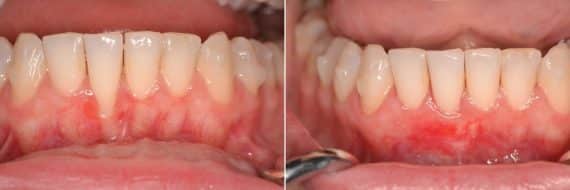
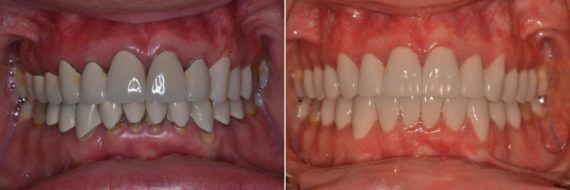
* All patients are unique and individual results may vary.
Ways to Reduce the Risks for Complications
While root canals are generally safe, there are practical steps you can take to minimize the chance of complications. From post-treatment habits to choosing the right dental professional, proactive care plays a huge role in ensuring your recovery is smooth and long-lasting. Here’s how to protect your health and your smile.
Having Good Oral Hygiene
Consistent brushing, flossing, and rinsing help prevent future decay and reduce the risk of re-infection in a root canal-treated tooth. Good oral hygiene habits also keep the surrounding gums and tissues healthy, supporting long-term recovery and tooth preservation. Regular cleanings and checkups with your dentist further boost your protection against complications.
Avoiding Hard or Sticky Foods
After a root canal, the treated tooth is more vulnerable to fractures, especially before it’s fully restored with a crown. Avoiding hard, crunchy, or sticky foods reduces the risk of damaging the tooth during recovery. Opt for soft foods until your dentist gives the all-clear to resume your normal diet.
Choosing an Experienced Dentist
The success of a root canal largely depends on the skill and expertise of the dentist performing it. An experienced specialist can spot potential issues early, use advanced techniques, and ensure the tooth is thoroughly cleaned and properly sealed. Choosing a knowledgeable provider significantly reduces your chances of complications and promotes long-term success.
Who Should I See for Root Canal Treatment?
Many general dentists perform routine root canal treatments. For more complex cases, your dentist may refer you to an endodontist, a dental specialist with advanced training in diagnosing and treating problems inside the tooth.
As a periodontist and dental implant specialist, my focus is on the health of the gums and bone that support your teeth. I can also help evaluate the overall condition of a tooth and the surrounding tissues when deciding whether a tooth can be preserved or whether another treatment option should be considered.
If a tooth cannot be predictably saved, I can assess the supporting bone and gums and discuss replacement options, including dental implants when appropriate. The goal is always to choose the treatment that best supports your long-term oral health.
Frequently asked questions about Root Canal Treatment Side Effects.
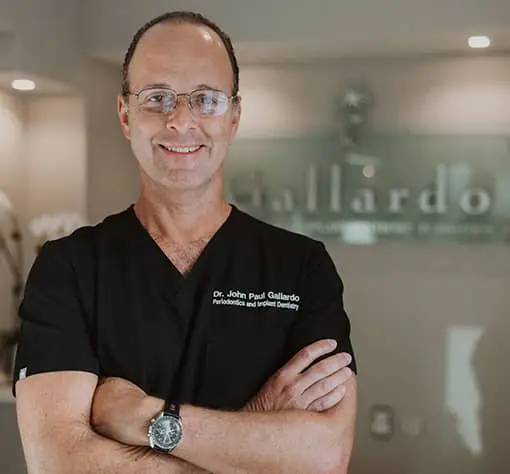
ABOUT THE DOCTOR
Dr. John Paul Gallardo, DDS, PA
Periodontist and Dental Implant Specialist in Miami
Dr. John Paul Gallardo is a periodontist and dental implant specialist in Miami with more than 30 years of experience treating gum disease, placing dental implants, and managing complex periodontal cases. He earned his Doctor of Dental Surgery degree from New York University College of Dentistry in 1991 and later completed advanced graduate studies in Periodontics and Dental Implants at Boston University, where he earned a C.A.G.S. degree.
Dr. Gallardo has also lectured nationally and internationally to dentists and dental hygienists on topics related to gum disease and implant dentistry. He has been interviewed by the Miami Herald and Univision as an expert contributor on oral health topics.
Dr. Gallardo’s Credentials Include:
- Doctor of Dental Surgery (DDS) — New York University College of Dentistry
- Advanced Graduate Studies in Periodontics and Dental Implants — Boston University
- C.A.G.S. Degree — Boston University
- 30+ Years of Experience
- Outstanding Resident of the Year — V.A. Medical Center General Practice Residency Program
- National and International Lecturer on periodontics and implant dentistry
Expertise Areas:
Periodontics, Gum Disease Treatment, Dental Implants, Complex Periodontal Care