

Home / Dental Services / Dental Implants
Dental Implants in Miami
Dr. John Paul Gallardo, a renowned periodontist and implant expert, offers the best dental implants in Miami at competitive prices. Using state-of-the-art technology and premium materials, he provides high-quality, long-lasting, natural-looking solutions for missing teeth. Whether you need a single or multiple tooth replacements , contact us and rejuvenate your smile with Miami’s leading dental implant specialist.

Why Gallardo Periodontics is Miami’s Top Choice for Dental Implants
- Expert Care: 30+ years of experience in periodontics and implant dentistry, with 400+ surgical procedures performed each year.
- Flexible Solutions: Whether you need a single tooth replacement, support for multiple teeth, or partial dentures, implants offer tailored solutions.
- Durable Materials: Medical-grade titanium implants chosen for long-term strength and stability.
- Natural Look and Feel: Restorations designed to look, feel, and function like natural teeth.
- High Success Rate: Implants have a proven high success rate, providing a stable, long-term solution for missing teeth.
Dental Implants Before and After Photos
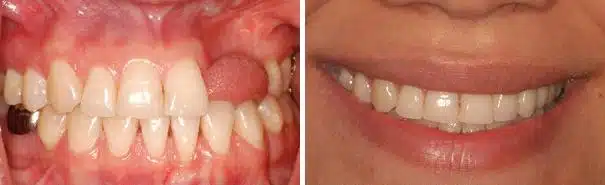
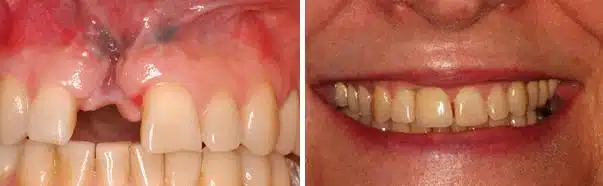
What are Dental Implants?
Dental implants are artificial tooth roots made from biocompatible materials like titanium or zirconium. Tooth implants are surgically embedded into the jawbone, where they integrate with the bone to provide a stable base for replacement teeth.
Support a dental bridge or denture:
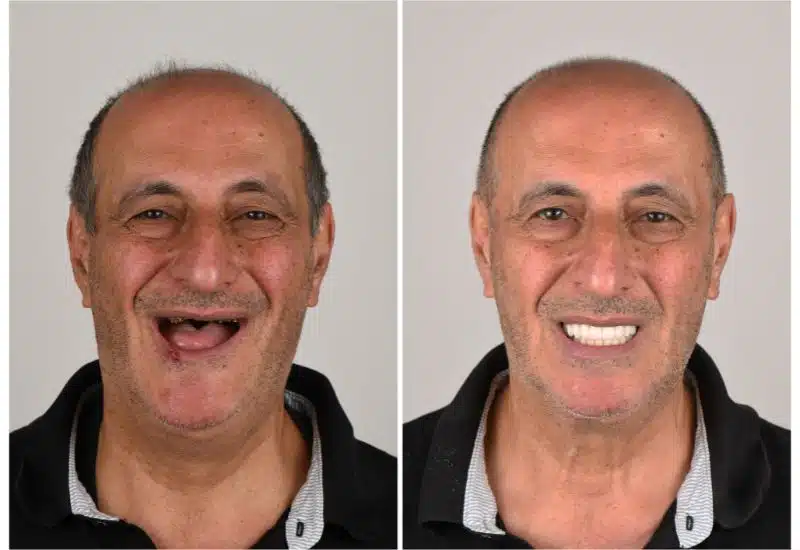
The Advantage for patients missing multiple teeth is that dental implants can be used to support a dental bridge or denture. This not only restores the appearance of a full set of teeth but also improves function, which allows patients to eat and speak with ease.
Single Tooth Implants:
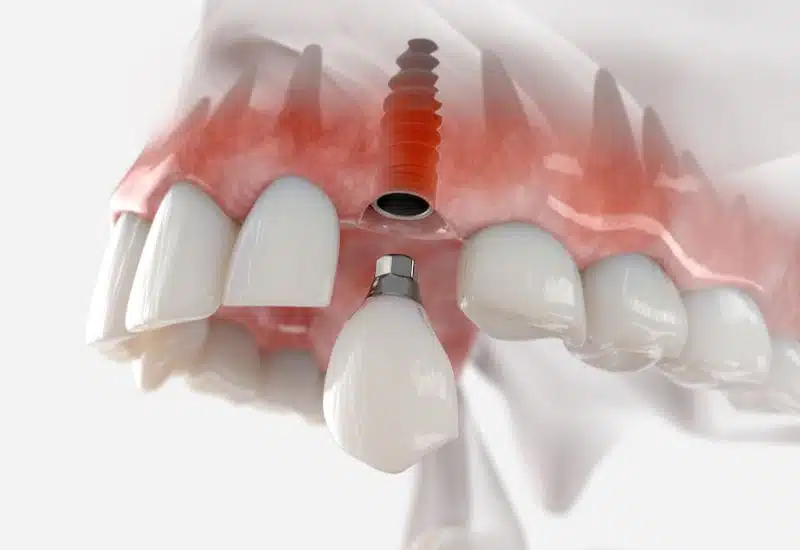
A single tooth implant is composed of an implant post, an abutment, and dental crowns. This option is ideal for replacing a single missing tooth, providing a natural-looking and functional solution that blends seamlessly with the surrounding teeth.
Benefits of Dental Implants
Dental implants not only restore your smile, but also help support your oral health and daily comfort.
- Bone Preservation: Dental implants help stimulate the jawbone, which can reduce bone loss and support your facial structure.
- Long-Term Durability: Implants are designed to be strong, stable, and made to last.
- Natural Look and Feel: They are made to look, feel, and function like natural teeth.
- Improved Function: Dental implants can make it easier to eat, speak, and smile with confidence.
- Oral Health Support: By replacing missing teeth securely, implants can help support your overall oral health over time.
Quality Dental Implant Materials at Gallardo Periodontics
Dental implants are not a one-size-fits-all solution. They come in different materials to cater to different patient needs and preferences. At Gallardo Periodontics and Implant Dentistry, we offer both titanium and zirconium dental implants.
Titanium Dental Implants
Titanium dental implants have been used for decades and are known for their strength and durability. Titanium is a biocompatible material, which means it can fuse with your jawbone without causing any adverse reactions. This makes titanium implants a reliable and long-lasting tooth replacement solution.
Zirconium Implants
Zirconium dental implants are a newer addition to the world of implant dentistry. They are made from a type of ceramic that is also biocompatible. Zirconium implants are white in color, making them an excellent choice for patients who want their implants to blend seamlessly with their natural teeth. They are also hypoallergenic, making them a suitable option for patients with metal allergies.
Good Candidates for Dental Implants in Miami
During your consultation, Dr. Gallardo will help determine whether implants are the right fit for your needs.
- You may be a good candidate if you are in good overall health.
- Adequate jawbone support is important for a secure implant.
- Good oral hygiene and regular dental visits help support long-term success.
- Implants are a strong solution for restoring both function and appearance.
- Dr. Gallardo will recommend the best treatment based on your smile and oral health.
What Our Patients Say
Committed to your results





What to Expect During Your Dental Implant Consultation in Miami
During your dental implant consultation with Dr. Gallardo, you can expect a thorough evaluation of your dental health and a discussion of your specific needs and goals. The consultation may include:
- Oral Health Assessment: A detailed dental exam with X-rays and possibly a 3D jaw scan to evaluate your teeth, gums, and bone.
- Medical History Review: Consideration of any health factors that may influence the implant’s success.
- Treatment Options: Discussion on the most suitable types of tooth implants for you.
- Procedure Walk-through: Explanation of the implant process, healing process, and prosthetic placement.
- Customized Treatment Plan: A step-by-step plan tailored to your needs, possibly including additional procedures like bone grafting or extractions.
- Cost Estimate: A breakdown of the treatment costs, payment methods, and insurance coverage options.
Dr. Gallardo will gladly address any questions or concerns you may have, ensuring you feel confident in your decision.
Dental Implant Cost in Miami, FL
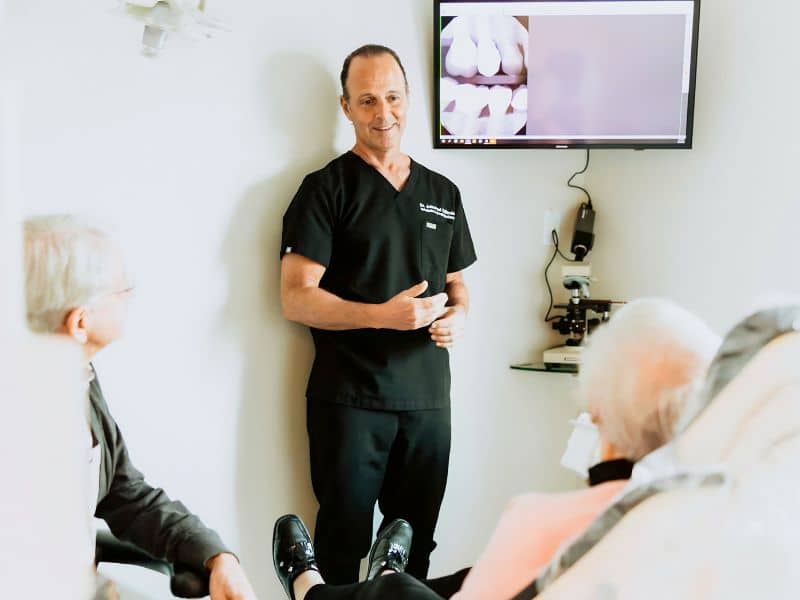
Why Prices Vary Based on Complexity
The cost of dental implants in Miami can vary based on key factors. These include the complexity of your case, the type of implant you need, and whether any additional treatments are required. While cheaper options might seem appealing, remember that lower prices often come with sacrifices in quality, materials, or expertise. Choosing an experienced specialist who uses advanced dental technology ensures your dental implants are long-lasting and maintains the health and function of your smile.
Don’t compromise on quality—Visit our dental office today to get a personalized treatment plan and discover the best solution for your smile in Miami, FL.
The Dental Implant Procedure Explained
Dental implant surgery involves a three-phase process
The dental implant procedure at Dr. Gallardo’s practice is a simple and personalized three-step process designed to restore your smile with care and precision. Each stage is carefully planned to ensure your new teeth look natural and function perfectly. While the entire process can take several months, the results are long-lasting and worth the wait. Here’s how it works:
Step 1
Implant Placement
Dr. Gallardo will first numb the area with local anesthesia and for added comfort. We offer sedation options such as intravenous (IV) conscious sedation or nitrous oxide (laughing gas). After ensuring you’re comfortable, small incisions are made in the gums to expose the bone. Then, the implant is carefully placed into the jawbone. The gum tissue is then stitched over the implant, allowing it to heal and integrate with the bone. This integration occurs over the next three to six months. Temporary crowns may be placed to cover the implant posts during this healing period.
Step 2
Post Placement
Once the implant has fused with the jawbone through a process called osseointegration, Dr. Gallardo will attach a small post, known as an abutment, to the implant. This post serves as the foundation for your new tooth. In some cases, the post may be placed at the same time as the implant during the initial procedure. After the post is attached, the gum tissue will heal around it.
Step 3
Permanent Crown Attachment
In the final stage, a custom-made permanent crown is attached to the post. This crown is designed to match the look and feel of your natural teeth. After this step, you’ll have a fully restored, functional smile. You can care for your implant just like your natural teeth, ensuring long-lasting results.

Care and Recovery from Dental Implant Surgery
Recovery from dental implant surgery varies depending on the individual and the extent of the procedure. It is common to experience some swelling, discomfort, and minor bleeding in the days following surgery.
Dr. Gallardo will provide detailed aftercare instructions to ensure a smooth and comfortable recovery process. It is essential to follow Dr. Gallardo’s aftercare instructions and attend any scheduled follow-up appointments to ensure the success of your dental implant procedure.
Maintaining Your New Perfect Smile's Longevity
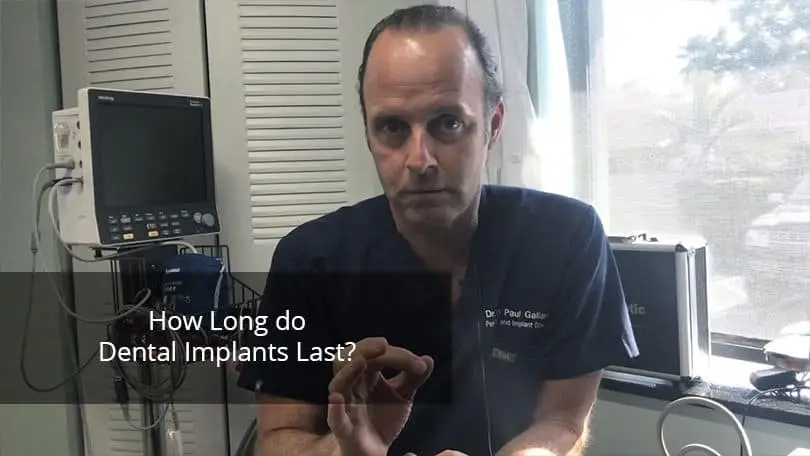
Dental implants are built to last, often for a lifetime with proper care. They can handle daily use and, unlike natural teeth, won’t decay. By following these simple tips and keeping up with your oral care routine, you can enjoy your dental implants for many years:
- Brushing your teeth at minimum twice per day with a soft-bristled toothbrush.
- Use dental floss daily to remove plaque and food debris from between your teeth and surrounding your implant.
- Rinsing with an antimicrobial mouthwash to help kill bacteria and prevent gum disease.
- Scheduling regular dental examinations and cleanings to monitor the health of your implants and adjacent teeth.
- Refrain from smoking and excessive alcohol consumption, as these habits can negatively impact the health of your implants and surrounding tissues.
Dental Implants in Miami, FL – Serving South Florida
At Gallardo Periodontics & Implant Dentistry, our dental practice in Miami provides advanced dental implants for patients across South Florida, including Coral Gables, Brickell, South Beach, Coconut Grove, and Key Biscayne.
We specialize in treating a wide range of dental issues, offering personalized solutions such as single implants, implant-supported bridges, and full-mouth restorations. Patients from Miami and nearby communities trust our team for precise care, modern technology, and long-lasting results.
Whether you’re searching for dental implants in Miami or a trusted provider near Coral Gables, our goal is to deliver natural-looking outcomes focused on comfort and long-term oral health.

Why Choose Dr. Gallardo as Your Dentist for Dental Implants
When you’re considering periodontal or dental implant services, Dr. John Paul Gallardo is an optimal choice for many reasons:
- Extensive Experience: With 30+ years in periodontics and implant dentistry, Dr. Gallardo performs 400+ surgical procedures each year.
- Expertise in Periodontics and Implants: He provides advanced treatment for single tooth replacement, implant-supported bridges, and full-arch restorations.
- Commitment to Quality: Meticulous attention to detail, advanced surgical techniques, and high standards of care support predictable, lasting outcomes.
- Continual Education: Dr. Gallardo is dedicated to remaining at the cutting edge of his field by actively engaging with professional organizations and peers.
- Durable, Natural-Looking Results: Restorations are designed to look, feel, and function like natural teeth using high-quality materials.
- Modern Technology: His Miami practice uses advanced technology for precise treatment planning and safe, effective care.
- Patient Comfort: Sedation options, including IV conscious sedation, help create a more comfortable experience with minimal downtime.
Choosing Dr. Gallardo means entrusting your dental care to a seasoned specialist focused on safety, comfort, function, and long-term results.
Dental Implants in Miami FAQ
What is the downside of dental implants?
The main drawback is cost, as implants are a bigger upfront investment than other options. The procedure also involves minor surgery. However, because implants can last for decades with proper care, many patients see them as a long-term solution worth the investment.
Do dental implants fail often?
No, dental implants have a high success rate—typically over 90–95%. Most issues are linked to poor oral hygiene or health conditions. With proper care and regular check-ups, implants are very reliable and long-lasting.
Can dental implants be removed?
Dental implants are designed to be permanent and are not meant to be removed. However, in rare cases where complications occur, a specialist may need to remove or replace them.
Can dental implants fall out?
Dental implants are securely anchored in the jawbone and should not fall out. Problems are rare but can happen due to trauma or poor oral hygiene. Good aftercare and regular dental visits help keep them stable.
Can dental implants be done in one day?
Some patients may qualify for same-day implants, but most cases require multiple visits to allow proper healing. Your dentist will recommend the best timeline based on your situation.
What's the best age for a dental implant patient?
Dental implants are recommended once jawbone growth is complete, usually in early adulthood. Your dentist can suggest alternative options if treatment is needed earlier.
Can you get dental implants if you have a periodontal disease?
Yes, but gum disease needs to be treated first. Healthy gums and bone are essential for implant success, so your dentist will address any infection before moving forward.
Where can I schedule a dental implant appointment near me?
If you live near Miami, FL, Gallardo Periodontics and Implant Dentistry offers a range of dental services, including dental implants, Invisalign, tooth extractions, and maxillofacial surgery to meet your dental needs. Our dental implant center is conveniently located at 2020 SW 27th Ave, Miami, FL 33145, they can help restore your oral health with expert care.